
Our Latest news

See all news
03 Dec 2025
Joint paper: Circular economy act & composites
Circomp_ Join Position Paper CEA - Nov 2025...
02 Dec 2025
Two pager: A composite supply chain for Europe
Understand why composites are vital to Europe’s strategic autonomy and what challenges we need to address today by reading our two-pager here....
20 Nov 2025
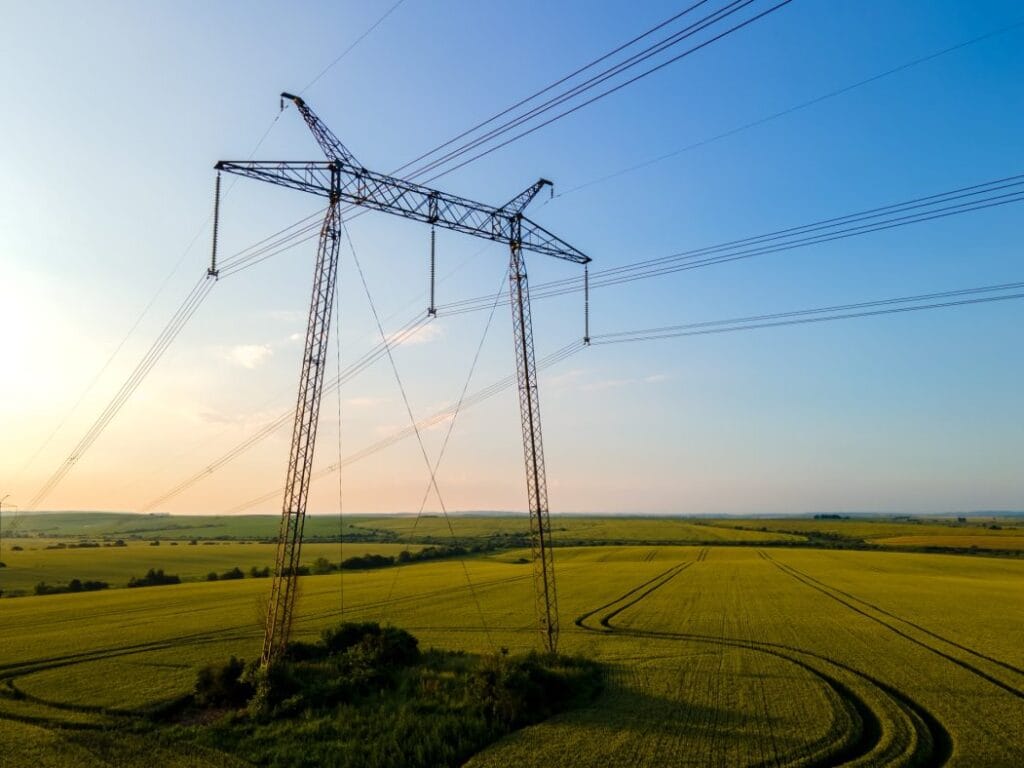
Getting electrification right means getting the materials policy right
Europe’s path to climate neutrality hinges on one critical transformation: the shift to electricity as the dominant energy carrier. From transport and heating to industrial processes and di...
12 May 2025
Position Paper: Composites in the proposed end-of-life of vehicles regulation
As the EU updates its End-of-Life Vehicles Regulation, Epoxy Europe urges policymakers to recognise the recyclability and value of composites in electric and lightweight vehicles.
Read our p...
The Epoxy Europe
Safety App
The Epoxy Europe Safety App is an online tutorial designed to provide expert information to epoxy users for working with epoxy resins safely.
Learn More


HOW IT ALL STARTED
The history of epoxy dates back to Switzerland in 1936, when Dr. Pierre Castan succeeded in synthesising the first epoxy polymer by curing it with phthalic acid anhydride.
Learn More
HOW ARE EPOXIES MADE
Epoxy resins are thermosetting polymers with unique mechanical and resistance properties. They are the result of a chemical reaction called ‘curing’, which involves epoxides and other chemicals more commonly known as ‘hardeners’ or curing agents.
Learn More